
Why Your Knee Pain May Not Be Coming from Your Knee
Knee pain is one of the most common reasons people seek physiotherapy. Whether it appears during exercise, walking, climbing stairs or even sitting for long periods, discomfort in the knee can quickly interfere with daily life.
However, what many people do not realise is that the source of knee pain is not always the knee itself. In many cases, the underlying problem may originate elsewhere in the body.
The knee sits between the hip and the ankle, forming part of a complex chain of joints and muscles that work together to support movement. If one part of this chain is not functioning properly, it can place extra strain on the knee. As a result, pain may appear in the knee even though the root cause lies in another area.
One of the most common contributors is hip weakness or instability. The muscles around the hip, particularly the gluteal muscles, play a vital role in stabilising the leg during walking, running and standing. If these muscles are weak, the knee may move in an abnormal way, placing additional stress on the joint and surrounding tissues.
Foot and ankle mechanics can also influence knee pain. Issues such as flat feet, over-pronation or reduced ankle mobility can alter the alignment of the leg during movement. This may cause the knee to compensate, leading to irritation or strain over time.
In addition, muscle tightness in the quadriceps, hamstrings or calf muscles can affect how the knee moves and absorbs force. Previous injuries, poor movement patterns or sudden changes in activity levels can also contribute to these imbalances.
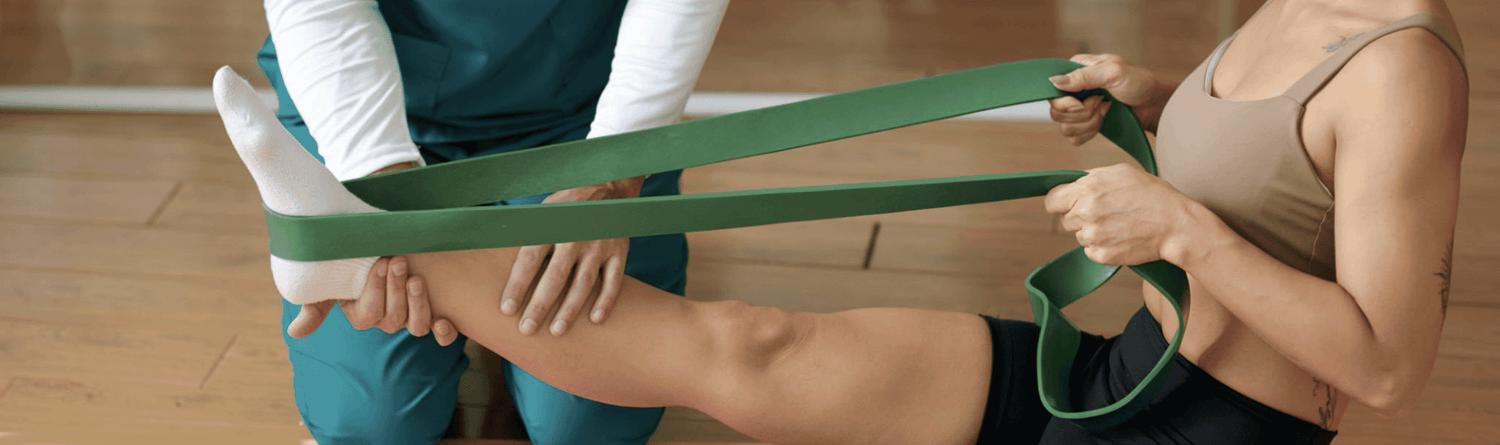
This is why a comprehensive physiotherapy assessment is so important. Rather than focusing only on the painful area, a physiotherapist will assess the entire lower limb, including the hips, pelvis, knees, ankles and feet. Identifying the true source of the problem allows treatment to address the underlying cause rather than simply managing the symptoms.
At Caroline Swart Physiotherapy, we take a thorough and personalised approach to assessing knee pain. By identifying the root cause of your discomfort and developing a tailored treatment plan, physiotherapy can help restore proper movement, reduce strain on the knee and support long-term recovery. If you are experiencing ongoing knee pain, a professional assessment may reveal that the solution lies beyond the knee itself.
Partners & Affiliations

ABOUT
Compassionate Care, over 25 years of experience, we provide thoughtful and effective solutions tailored to individual needs.
QUICK LINKS
SIGN UP NOW!
© 2025 Caroline Swart Physiotherapy.
All Rights Reserved.

